Lace, lace, lovely lace. I have to admit at this point the sample, which represents several lessons good work with my very kind and patient teacher, I did find myself wishing I had been keeping better notes as I went along!
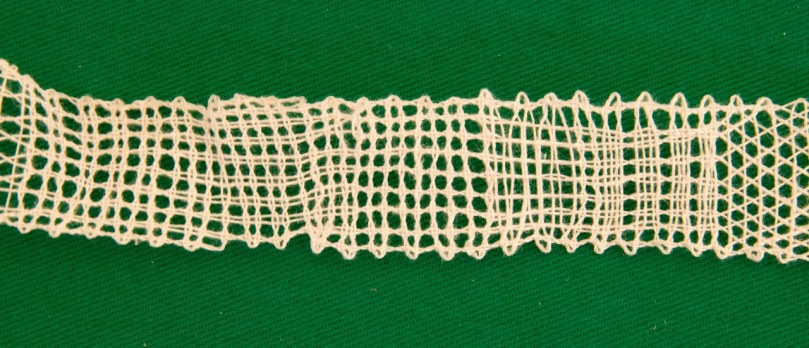
Lace, lace, lovely lace. I have to admit at this point the sample, which represents several lessons good work with my very kind and patient teacher, I did find myself wishing I had been keeping better notes as I went along!
I’ve ventured far out of my way to visit craft shops before, some of which were rather off the beaten track, but I’m not sure any have proved quite as impossible to get to Zürcher Stadler. This isn’t so much because it is in the middle of nowhere, or because the sat-nav can’t find it, but because the road network leading to the place has a strategically placed no entry sign that seems to make it impossible to enter the estate where the shop is. I won’t say how we overcame that particular obstacle but plan your visit and route in advanced.

Happy 2020 everyone, may the new year bring you lots of great ideas, fabulous materials and the time to put them all together! As is traditional for this time of the year, let’s have a look back over some of the last year and set out some overly ambitious goals for the year.

I’ve blogged before about how a country’s textile history often shaped its social and cultural history, as well as infrastructure and landscape, and Switzerland is no exception to that. While perhaps most famous for the St. Gallen embroideries and lace (and you can see some fantastic examples of that at the local textile museum), Switzerland also has a rich history of silk and cotton production and even passementerie, particularly in the Basel region.

One of the techniques on the very long list of things I want to try has been bobbin lace for a long time. I’ve tried tatting, hairpin lace, needlelace and generally enjoy fine ‘lace’ crochet, but having seen the magical creations people can make with just some wooden sticks and a stupendous number of pins, bobbin lace has always had a great appeal. Plus, this is a technique with real historical richness, with so many books having been written on different styles and the evolution and social role of lace in society.

Given the historical importance of textiles to the town and its interest in trying to preserve as much of its history as possible, it probably comes as no surprise that St Gallen has a wonderful museum dedicated to textiles with regularly changing exhibitions if you’re lucky enough to have the opportunity to attend regularly.

 astitchornine